




How to Maintain UPF Fabric Integrity: A 2026 Guide

Table of Contents
- How to Maintain UPF Fabric Integrity: Step-by-Step
- Best Laundry Detergent for Sun Protective Clothing
- Does Chlorine Damage UPF Fabric?
- How Long Does UPF Clothing Last?
- Repair and Restore: Fixing Wear Before It Spreads
- Sunscreen, Storage, and Sun Damage: The Overlooked Factors
- How to Test Your UPF Fabric at Home
- Frequently Asked Questions
Last Updated: October 4, 2026
How to Maintain UPF Fabric Integrity: Step-by-Step
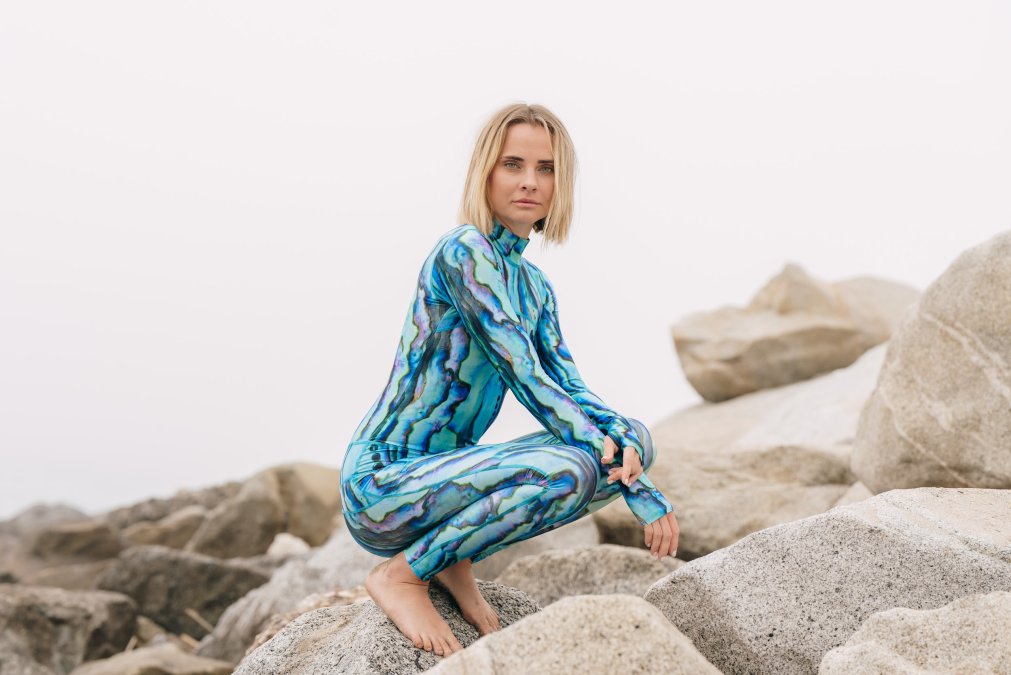
UPF fabric is a textile engineered to block ultraviolet radiation through dense weave and UV-absorbing fibers, and it loses that power quietly through heat, chemicals, and abrasion.
The stakes are real. Skin cancer is the most common cancer in the United States, and the CDC's sun safety guidance notes that UV exposure is the most preventable risk factor.
Here is the part most guides get wrong: sun-protective clothing does not wear out from sunlight. It wears out in the laundry.
Step 1: Rinse Immediately After Every Wear
Rinse your suit in cool water within an hour of taking it off. This single habit does more for fabric life than anything else.
Chlorine, salt, and sunscreen residue all sit in the fibers and break them down over time. A 30-second rinse clears most of it before it can do damage.
How to do it:
- Use cool running water, no soap needed for a quick rinse
- Work the water through the fabric gently with your hands
- Lay flat or hang to dry, never wring or twist
Step 2: Wash Cold on a Gentle Cycle
Cold water and a gentle cycle protect the weave density that gives UPF fabric its UV-blocking properties.
Hot water causes fibers to relax and the weave to open. That is exactly the structure that blocks UV radiation.
How to do it:
- Turn the garment inside out
- Use cold water and the gentlest cycle your machine offers
- Wash with like items only, no zippers or velcro
- Skip the spin cycle if you can
Step 3: Skip the Dryer Most Days
Air drying preserves stretch retention and keeps the fibers intact. Tumble drying on low is fine occasionally, but heat is the enemy.
Lay flat on a towel or hang in the shade. Direct sun is fine for drying, but prolonged UV exposure on a wet garment adds unnecessary stress.
How to do it:
- Lay flat or hang to dry in shade
- If you must use a dryer, choose tumble dry low and remove while slightly damp
- Never iron or use a hot dryer setting
| Step | Frequency | Water Temp | Dryer? |
|---|---|---|---|
| Rinse | Every wear | Cool | No |
| Wash | Every 2-3 wears | Cold | No |
| Deep clean | Monthly | Cold | Tumble low, rarely |
Best Laundry Detergent for Sun Protective Clothing
The best detergent for sun-protective clothing is a mild, bleach-free liquid with no fabric softener, no optical brighteners, and no enzymes. That is the whole rule, but the reason behind it is where most guides stop short.
UPF fabric blocks UV radiation in two ways: a tight weave that physically scatters light, and, in many garments, a topical finish or fiber additive that absorbs UV. Detergent chemistry can attack both.
What each ingredient actually does to the fabric:
- Bleach and oxygen-based "brighteners" are oxidizers. They break the chemical bonds in synthetic fibers like polyester and spandex, the same way chlorine does, just more slowly. Over repeated washes the weave loosens and UV absorption drops.
- Optical brighteners are fluorescent dyes that stay on the fabric to make colors look whiter. That residue sits on the fiber surface and can interfere with how the weave scatters UV light.
- Enzymes (protease, amylase, lipase) are designed to break down organic matter, sweat, oils, proteins. On a performance fabric, they can also attack the fiber finishes and coatings that give the garment its UPF rating. This is why "sport wash" and "performance" detergents are often the wrong choice for sun-protective clothing.
- Fabric softener is the biggest offender. Its surfactants and silicone oils coat the fibers and clog the spaces in the weave. A coated weave blocks less UV. The residue builds up over time and is very hard to remove once it sets.
What to look for on the label:
- Mild, dye-free, fragrance-free liquid detergent
- No bleach, no "brightening" or "whitening" additives
- No fabric softener, ever
- No dryer sheets, they deposit the same softener residue in the dryer
- No enzymes if the label lists them
A common mistake is reaching for a heavy-duty or sport-specific detergent because the garment is "technical." The opposite is true. The gentler the detergent, the longer the weave and any UV finish survive.
If you are unsure whether a detergent is safe, the simplest test is the ingredient list: if it advertises stain-fighting enzymes, color-brightening, or softening, it is working against the fabric. A plain, mild liquid is almost always the better choice.
Does Chlorine Damage UPF Fabric?
Yes, chlorine damages UPF fabric over time. It is one of the biggest threats to sun-protective swimwear, and it works slowly enough that most people never notice until the suit feels thin.
Chlorine is an oxidizer. It reacts with synthetic fibers like polyester and spandex, causing chemical breakdown that weakens the weave and reduces UV absorption.
The fix is simple: rinse immediately after every pool session, and never let a chlorinated suit sit in a bag.
TUTUBLUE's CHLORATEK technology is built specifically for this problem. It is engineered to hold up against chlorinated water, which is why our suits keep their UPF 50+ rating through regular pool use.
How Long Does UPF Clothing Last?
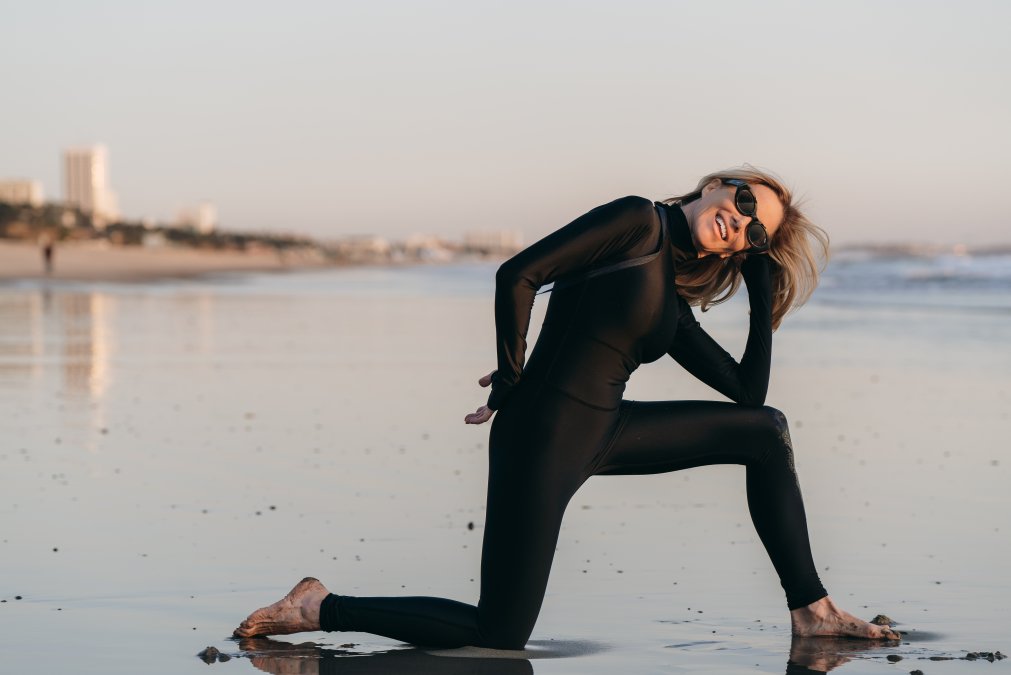
Most well-made UPF clothing holds its rating for about 30 to 40 washes with proper care, or roughly one to two seasons of regular use. After that, the weave loosens and protection drops.
The honest answer is that lifespan depends almost entirely on how you treat it. A suit that gets rinsed and air-dried every time will outlast one that goes through a hot wash and dryer cycle by a wide margin.
SPF 30 Daily Sunscreen + Moisturizer Blends Into All Skin Tones →
Signs it is time to replace:
- Fabric feels thin or see-through when held to light
- The suit has lost its stretch and shape
- Pilling, fraying, or visible wear at seams
- The color has faded noticeably
Color matters more than most people realize. Darker dyes absorb more UV radiation and tend to hold protection longer than pale shades. That is one reason a deep navy suit often outlasts a white one.
Repair and Restore: Fixing Wear Before It Spreads
Every other guide tells you how to prevent damage.
The honest answer is that it depends on the type of damage, because UPF protection comes from two separate things, the weave structure and any UV-absorbing finish, and they fail differently.
Damage that can be repaired without losing much protection:
- Snags and pulls. A pulled thread distorts the weave locally but does not remove the UV-absorbing fibers. Trim the snag with small scissors, never pull it, and the surrounding fabric keeps working.
- Loose seams. Hand-stitch with polyester thread. A seam repair restores the garment's shape and does not affect the weave's UV performance.
- Pilling. Pills are surface fuzz, not structural damage. Remove them gently with a fabric shaver. The weave underneath is usually intact.
Damage that permanently reduces protection:
- Holes and tears. A patch covers the opening, but the fabric around the patch is stretched and weakened. Treat patched areas as lower-protection zones and limit sun exposure on them.
- Thinning or see-through spots. Once the weave has physically opened, no wash, spray, or treatment re-densifies it. This is the point of no return.
- Faded color. Darker dyes absorb UV radiation and help block it. When a deep navy or black garment fades to gray, some of that UV absorption has faded with it.
What about UV-restoring sprays?
You will see aftermarket sprays marketed as "UPF restorers." There is no standard test that verifies a spray restores a lost UPF rating, and a spray cannot rebuild a weave that has physically opened.
A practical rule for repaired garments:
- Small snag or seam fix → keep wearing normally
- Patch over a hole → use for shorter exposures, not all-day sun
- Thinning, see-through, or heavily faded → retire it from sun-protective duty
What most guides miss is that a repaired garment is not fully restored. A patch covers the hole, but the surrounding fabric is still weakened.
Sunscreen, Storage, and Sun Damage: The Overlooked Factors
Sunscreen and UPF fabric interact in ways most people never consider. Chemical sunscreens can stain and degrade synthetic fibers, and some ingredients react with dyes.
Mineral sunscreens are gentler on fabric. Our SPF 30 Daily Sunscreen + Moisturizer Blends Into All Skin Tones uses non-nano zinc oxide, one of only two ingredients the FDA considers safe and effective for sunscreen use. It is reef-friendly and designed to layer under or over sun-protective clothing without leaving a heavy residue.

Storage matters too. Here is what to do:
- Store dry, never damp
- Keep out of direct sun for long periods
- Fold rather than hang stretch fabrics
- Avoid plastic bags, which trap moisture
How to Test Your UPF Fabric at Home
You cannot measure a UPF rating at home without a lab, but you can spot the warning signs of a garment that has lost protection.
At-home checks:
- Hold the fabric up to a bright light. If light passes through easily, protection has dropped.
- Stretch the fabric gently. If it becomes noticeably more see-through when stretched, the weave is loose.
- Compare against a new garment of the same type. If it feels thinner, it likely is.
If you want a real number, some testing labs offer consumer UPF testing by mail. It is not cheap, but it is the only way to know for sure.
When in doubt, replace. A new suit costs less than a dermatology visit.
For a [fresh start, our Groove Wave UPF 50 Changing Caftan](https://www.tutublue.com/products/groove-wave-upf-50-changing-caftan) gives you lightweight UPF 50 coverage that doubles as a cover-up, so you stay protected before and after your swim.

Frequently Asked Questions
How long does UPF fabric last?
Most quality UPF fabric holds its protection for 30 to 50 washes with proper care. After that, the weave can loosen and UV-blocking properties decline. Cold water washing, mild detergent, and air drying extend the lifespan. TUTUBLUE's UPF 50+ swimwear is engineered with Ultra Light Neoprene Scuba Fabric and CHLORATEK technology to block 97% of UVA/UVB rays, and consistent care helps that protection last through multiple seasons.
Does washing UPF clothing reduce its effectiveness?
Washing itself does not destroy UPF fabric, but harsh chemicals and hot water do. Bleach, fabric softener residue, and high heat break down fibers and loosen the weave, which is what actually reduces UV protection. Wash cold on a gentle cycle with mild detergent, skip the softener, and air dry. Follow those steps and your garment keeps its UPF rating far longer.
Does chlorine damage UPF fabric integrity?
Yes, chlorine is one of the biggest threats to UPF fabric integrity. It weakens synthetic fibers over time, causing the weave to stretch and thin, which lets more UV radiation through. Rinse your suit in cold fresh water immediately after every pool session. TUTUBLUE's CHLORATEK fabric technology is built to resist chlorine degradation, so a quick rinse after swimming preserves both fit and UV-blocking properties.
Can I use fabric softener on UPF garments?
No. Fabric softener leaves a residue that coats fibers and clogs the tiny pores in the weave that block UV radiation. That residue also reduces stretch retention and moisture-wicking performance. Skip softener entirely and use a mild, bleach-free detergent instead. If you want softer fabric, add half a cup of white vinegar to the rinse cycle; it dissolves detergent residue without coating the fibers.
Maintaining UPF fabric integrity is not complicated, but it does take consistency. Rinse, wash cold, skip the dryer, and keep fabric softener away from your suits. TUTUBLUE builds sun-protective swimwear with UPF 50+ protection, Ultra Light Neoprene Scuba Fabric, and CHLORATEK technology to block 97% of UVA and UVB rays, so your investment lasts season after season. Get started with TUTUBLUE and enjoy the sun with confidence.


Leave a comment