




Best UPF Clothing for Family Beach Days: 2026 Guide

Table of Contents
- Quick Comparison: Best UPF Clothing for Family Beach Days
- How to Choose UPF Swimwear for Sensitive Skin
- Best UPF Clothing Picks for Babies and Toddlers
- Best UPF Clothing Picks for Kids
- Best UPF Clothing Picks for Adults
- Benefits of Full-Coverage Sun Protection Swimwear
- How to Wash UPF Clothing to Maintain Protection
- Frequently Asked Questions
Last Updated: September 23, 2026
Quick Comparison: Best UPF Clothing for Family Beach Days
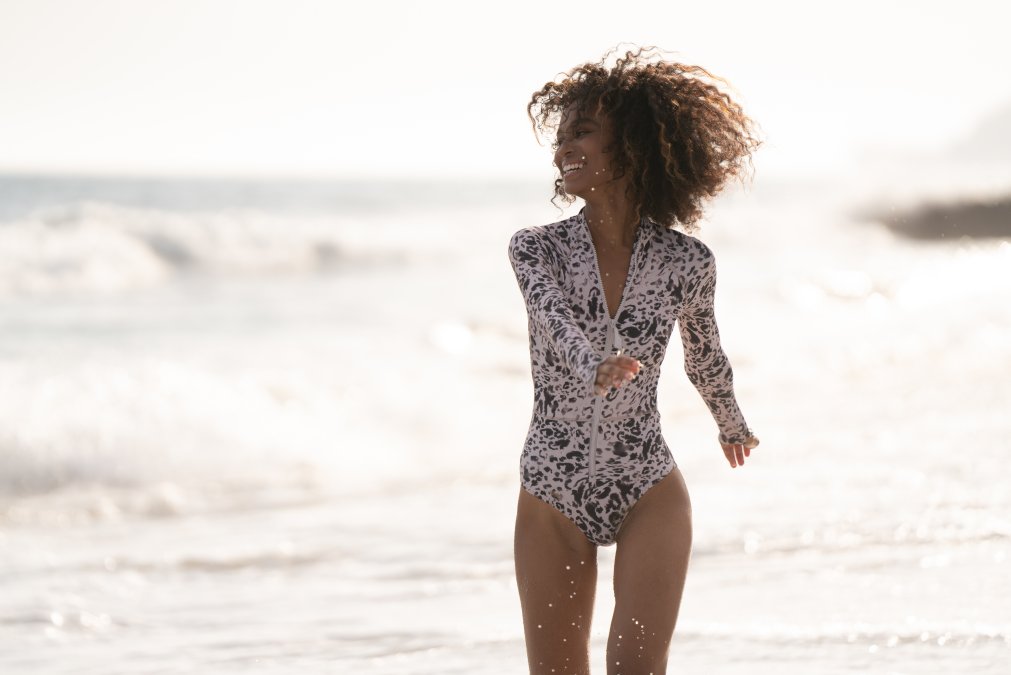
The best UPF clothing for family beach days pairs a UPF 50+ rating with full-coverage design, so nobody stops playing for a sunscreen reapplication. TUTUBLUE builds its collection around that idea: full arm, chest, and back coverage for babies, kids, and adults, blocking 97% of UVA and UVB rays.
| Product | Size Range | Price | Coverage | Best For |
|---|---|---|---|---|
| Baby One Piece Swimsuit - Baby Pink | Baby | $65.00 | Full body, hooded | Infants and toddlers |
| Baby Beach Towel with Hoodie - Baby Poppies | Baby | $50.00 | Wrap coverage | Post-swim and naps |
| Girl's Long Swimsuit - Aqualung | Girls | $95.00 | Full arms, legs, chest, back | Active girls |
| Boy's Short Body Swimsuit - Blue Camo | Boys | $85.00 | Full arms, chest, back | Active boys |
| Women's Classic Full Body Long Swimsuit - Blue Abalone | Women | $188.00 | Full body | Maximum coverage |
| Women's Classic Short Swimsuit - Blue Abalone | Women | $165.00 | Full arms, chest, back | Warmer days |
| Men's Pullover Rash Guard - Blue Rock | Men | $95.00 | Chest, back, full arms | Surfing and lounging |
How to Choose UPF Swimwear for Sensitive Skin
Choosing UPF swimwear for sensitive skin comes down to three things: fabric density, chemical-free construction, and fit that stays put. Reactive skin reacts to friction, heat, and residue as much as to UV, so the suit has to work with your skin.

Fabric and Fit Checks for Reactive Skin
A tight weave blocks more UV than a loose knit, so fabric density matters more than color or thickness. Look for synthetic fibers like polyester blends and nylon spandex, which hold a high ultraviolet protection factor better than untreated cotton.
Best UPF Clothing Picks for Babies and Toddlers
Babies need the most coverage and the fewest interruptions. Their skin is thinner, and pediatric guidance discourages sunscreen on infants under six months, making sun-protective fabric the practical answer.
Baby One Piece Swimsuit - Baby Pink
This is the pick for parents who want one piece doing all the work. The Baby One Piece Swimsuit blocks 98% of UVA and UVB rays and covers the full body in a single garment, so there are no gaps between a top and bottoms.

Baby Beach Towel with Hoodie - Baby Poppies
The Baby Beach Towel is the piece most parents do not think to buy and then use every day. It is a UPF 50+ hooded towel with a soft white terry lining, so a wet baby stays covered and warm while drying off.
Best UPF Clothing Picks for Kids
Kids are the hardest group to keep protected because they move constantly. The fix is a suit that covers everything up front so you are not chasing them down every two hours with sunscreen.
Girl's Long Swimsuit - Aqualung
The Girl's Long Swimsuit ($95.00) is built for exactly this problem: a high collar, thumb holes, and full arm, leg, chest, and back coverage, so a kid can play all day without reapplication breaks.
Boy's Short Body Swimsuit - Blue Camo
For boys who run hot, the Boy's Short Body Swimsuit ($85.00) trades leg length for airflow while keeping full arm, chest, and back coverage, plus the same high collar and thumb holes as the long version.
Best UPF Clothing Picks for Adults
Adult suits have to balance coverage with the reality that you will wear them in public for hours. The good news: full-coverage design has moved well past the boxy rash guard look.


Women's Classic Full Body Long Swimsuit - Blue Abalone
This is the most protective suit in the collection and the one to buy if coverage is the priority. The Women's Classic Full Body Long Swimsuit ($188.00) combines dive-suit function with a flattering unitard fit: high collar, thumbholes, and complete arm, chest, and back coverage.
Women's Classic Short Swimsuit - Blue Abalone
If you want the same upper-body protection with a shorter leg, the Women's Classic Short Swimsuit ($165.00) delivers it: same high collar, same full arm and back coverage, just a short leg for warmer days. Pairing this coverage with reliable non-toxic sun protection ensures that sensitive skin remains shielded throughout the afternoon without relying on harsh chemical barriers.
Men's Pullover Rash Guard - Blue Rock
The Men's Pullover Rash Guard ($95.00) is the classic option: a high collar covers the chest and back, thumb holes extend coverage over the hands, and no front zipper makes it comfortable for surfing or lying on your stomach.
BABY ONE PIECE SWIMSUIT - BABY PINK →
Benefits of Full-Coverage Sun Protection Swimwear
The benefits of full-coverage sun protection swimwear come down to consistency. Sunscreen needs reapplication every two hours and after every swim, and most families miss that window on a busy beach day. Fabric does not, and the advantages go beyond UV blocking, especially for sensory-sensitive kids or eco-conscious families.
Sensory-Friendly Comfort
Many kids dislike tight, synthetic swim shirts that cling, chafe, or feel restrictive. TUTUBLUE's full-coverage suits use high collars that don't dig in, and four-way stretch fabrics that move without pressure points.
Eco-Friendly Materials
A growing number of UPF brands use recycled ocean plastics or non-toxic dyes. While the UPF rating comes from the weave, not the material source, recycled content reduces plastic waste and often means fewer chemical finishes that can irritate sensitive skin.
Coverage Where Burns Happen Most
Full coverage removes the hardest-to-reach spots. The back of the neck, tops of the ears, backs of the hands, and shoulders are where burns cluster, exactly the places people miss when applying sunscreen themselves. A high collar and thumb holes solve those gaps in one garment.
Cost and Waste Reduction
A single suit replaces a season of sunscreen reapplication and does not expire, sweat off, or wash off in the water. For families with a history of skin cancer, that reliability is the whole point, and because the suit lasts multiple seasons with proper care, it cuts down on buying and tossing sunscreen bottles.
How to Wash UPF Clothing to Maintain Protection
Washing UPF clothing correctly keeps the rating intact season after season. The protection lives in the fabric's weave and construction, so avoid anything that breaks down fibers or clogs the weave. But most guides skip the real test: not one wash, but a full summer of saltwater, chlorine, and sunscreen residue.
The Real-World Durability Test
To stress-test your gear, check three things after every 10 wears:
- Hold it up to bright light. If you can see more light through the fabric than when it was new, the weave has loosened.
- Feel for stiffness or slickness. That's residue from fabric softener, dryer sheets, or sunscreen buildup.
- Check the stretch. If the suit bags out at the knees or elbows, the fibers have lost elasticity and coverage gaps form.
Wash Routine That Actually Protects the Rating
- Rinse in cold water immediately after every saltwater or chlorinated swim. Chlorine and salt both degrade stretch fibers over time.
- Machine wash cold on a gentle cycle, or hand wash. Use a mild, dye-free detergent.
- Skip fabric softener and dryer sheets entirely. They coat fibers and reduce UV performance, and the damage builds with every wash.
- Avoid bleach and harsh detergents.
- Air dry when possible, or tumble on low. High heat stresses the stretch fibers that keep the suit snug.
- Never wring or twist the suit to dry it. That stretches the weave unevenly.
When to Replace
The American Academy of Dermatology's sun protection advice notes that sun-protective clothing is one of the most effective defenses against UV exposure, which is why maintaining the fabric matters. A stretched-out or coated suit loses the density that makes it work.
Frequently Asked Questions
What should I look for when buying UPF clothing for my family?
Check the UPF rating first: UPF 50+ blocks about 98% of UVA and UVB rays. Look for full-coverage designs with high collars, long sleeves, and thumb holes, like TUTUBLUE's long suits, which cover arms, chest, and back. Confirm the fabric is lightweight and breathable so everyone stays comfortable, and choose pieces with 4-way stretch and quick-dry technology for active beach days. Sizing matters too: some suits run large, so check each product's size notes before ordering.
How does UPF clothing differ from regular beachwear?
Regular swimsuits and t-shirts offer no standardized UV protection rating. UPF clothing is tested and labeled for how much ultraviolet radiation the fabric blocks. TUTUBLUE's UPF 50+ suits are engineered with Ultra Light Neoprene Scuba Fabric and CHLORATEK technology to block 97% of harmful UVA/UVB rays. That means less reliance on reapplying sunscreen every two hours, especially for kids who resist standing still for lotion.
Can UPF clothing help protect sensitive skin from sun damage?
Yes. UPF clothing provides a physical barrier against UVA and UVB rays without requiring chemical sunscreen on covered areas, which matters for people with reactive or sensitive skin. When choosing UPF swimwear for sensitive skin, prioritize full-coverage designs with high collars and thumb holes, and pair them with a mineral sunscreen like TUTUBLUE's SPF 30 Daily Sunscreen, made with non-nano zinc oxide, for exposed areas like the face, neck, and hands.
How do I maintain the effectiveness of UPF 50+ fabric?
Rinse your UPF clothing in cool water after every beach day to remove salt, chlorine, and sand. Machine wash on gentle with mild detergent, skip fabric softeners and bleach, and air dry away from direct sunlight. Avoid wringing or stretching the fabric, which can loosen the weave over time. Following these steps helps preserve the tight weave and UV-deflecting properties so your suit keeps its UPF 50+ rating season after season.
Are full-coverage sun suits better than traditional swimwear?
Full-coverage suits reduce how much skin needs sunscreen, which lowers the risk of missed spots and sunburn, especially on kids. TUTUBLUE's long suits cover arms, legs, chest, and back with a high collar and thumb holes, so families can stay out longer without constant reapplication. Traditional swimwear can work if you reapply broad-spectrum sunscreen diligently, but full-coverage designs offer more consistent protection during swimming, paddle boarding, and all-day beach play.


Leave a comment