




8 Things to Look for in Sun Protective Gear for Desert Hiking

Last Updated: November 1, 2026
Quick Summary
Look for a UPF 50 or higher rating on the label, a tight weave in a lightweight breathable fabric, and full skin coverage from long sleeves, long pants, and a wide-brim hat. The best desert hiking gear closes the gaps at your neck, ears, wrists, hands, and ankles, then adds a neck gaiter and polarized sunglasses.
- A hat brim of 3 inches or more shades your face, neck, and ears at once.
- Hold fabric up to the light: less glow means better UV blocking.
- Stretched, wet, or worn-out fabric can drop real protection below its tag rating.
- Hike at dawn, rest during peak heat, and drink before you are thirsty.
- TUTUBLUE UPF 50+ gear blocks 97% of UVA and UVB rays.
Table of Contents
- Start With the UPF Rating on the Label
- UPF Clothing for Hiking: Fabric Weight and Breathability
- The Best Sun Protection Shirts for Hiking Cover More Skin
- A Wide-Brim Hiking Hat for Sun Protection Shields Your Face and Scalp
- Neck Coverage, Sunglasses, and the Details That Finish the Kit
- How to Stay Cool in the Desert While Hiking in Full Coverage
- Fit, Durability, and Care: What Most Buyers Skip
- Build Your Desert Hiking Sun Kit With TUTUBLUE
- Frequently Asked Questions
Start With the UPF Rating on the Label
The first thing to look for in sun protective gear for desert hiking is the UPF rating printed on the label.
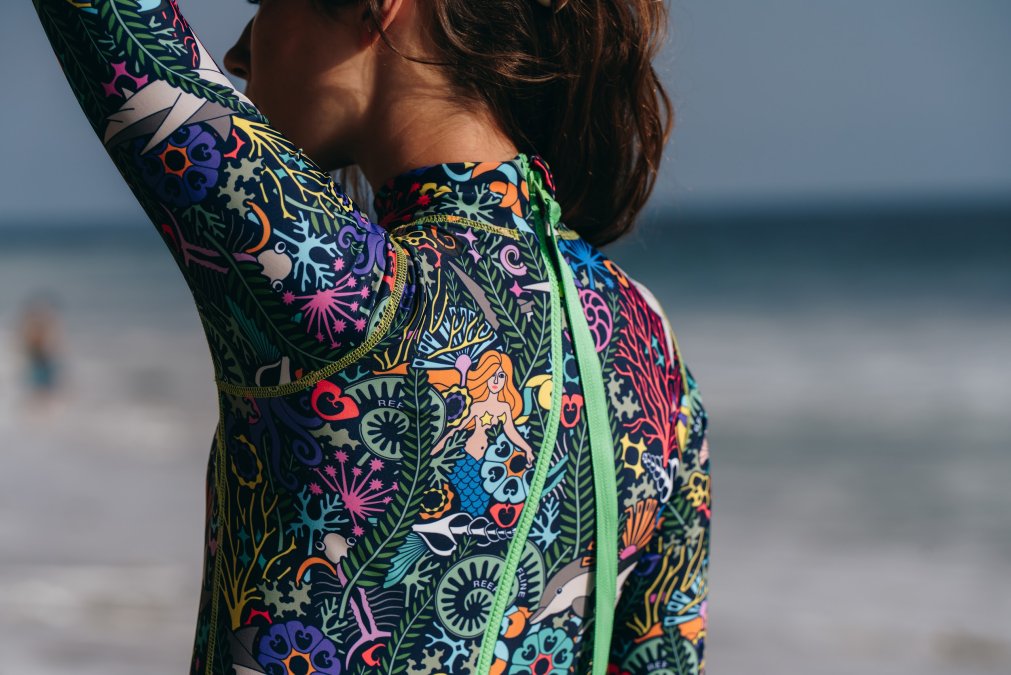
UPF is not the same as SPF. SPF applies to sunscreen and measures how long you can stay in the sun before burning.
Here is what the numbers mean in plain terms:
- UPF 15 blocks most UV rays but is the minimum useful level
- UPF 30 offers solid protection for short exposure
- UPF 50 blocks the vast majority of UVA and UVB rays
- UPF 50+ is the top rating a fabric can earn
Desert hiking gear needs the highest rating you can find. Harsh sun at high elevation and open ground means UV exposure climbs fast.
Watch out: a high UPF number means little if the fabric is stretched thin, wet, or worn out.
Here is what the UPF numbers on a fabric label mean in plain terms.
| UPF Rating | What It Means |
|---|---|
| UPF 15 | Blocks most UV rays; minimum useful level |
| UPF 30 | Solid protection for short exposure |
| UPF 50 | Blocks the vast majority of UVA and UVB rays |
| UPF 50+ | Top rating a fabric can earn |
UPF Clothing for Hiking: Fabric Weight and Breathability
Desert heat punishes heavy fabric. The best UPF clothing for hiking balances protection with airflow, and that balance starts with fabric weight and weave.
Lightweight fabric keeps your body cooler and dries faster after sweat. But thin fabric can let more UV through unless it is tightly woven or treated.
Look for these fabric traits:
- Tight weave: hold it up to the light; less glow means better UV blocking
- Breathable fabric: air moves through it, so sweat can escape
- Quick-drying fabric: desert sweat and stream crossings happen
- Moisture management: moves sweat off your skin instead of holding it
Fabric type matters too. Some synthetics are built for sun and heat.
A common mistake is buying the heaviest, thickest shirt you can find for "maximum protection." In desert hiking gear, that often backfires.
The Best Sun Protection Shirts for Hiking Cover More Skin
Skin coverage beats sunscreen reapplication every time on a long desert trail. The best sun protection shirts for hiking are long-sleeve, loose-fitting, and rated UPF 50 or higher.
Use this desert-specific fit and coverage checklist before you buy:
- Neck: A collar that stands up or a hood that covers the back of your neck when you bend forward. A flat collar leaves a triangle of skin exposed when you look down at your feet.
- Ears: A shirt alone rarely covers ears, plan on a wide-brim hat or a neck gaiter pulled up. If you prefer a cap, add a gaiter to cover ears and neck.
- Wrists: Sleeves that reach the wrist bone when your arms are extended. Short sleeves or sleeves that ride up leave a burn line that grows by midday.
- Hands: Thumbholes or extended cuffs cover the back of your hands, a common burn spot when hiking with poles or scrambling. Sun gloves fill the gap if your shirt lacks thumbholes.
- Ankles: Long pants that cover the ankle bone and stay down when you step over rocks. Cuffs that ride up expose the ankle to reflected UV off sand and rock.
Fit matters as much as features. Loose-fitting clothing lets air circulate and keeps fabric off hot skin, but too much slack can snag on brush or catch wind.
Light-colored clothing reflects more heat, while dark-colored clothing absorbs it.
The best sun protection shirts for hiking pull double duty: they block UV rays and help with heat exposure at the same time.
A Wide-Brim Hiking Hat for Sun Protection Shields Your Face and Scalp
Your face, ears, and scalp burn fast under harsh sun, and a wide-brim hiking hat for sun protection is the simplest fix.
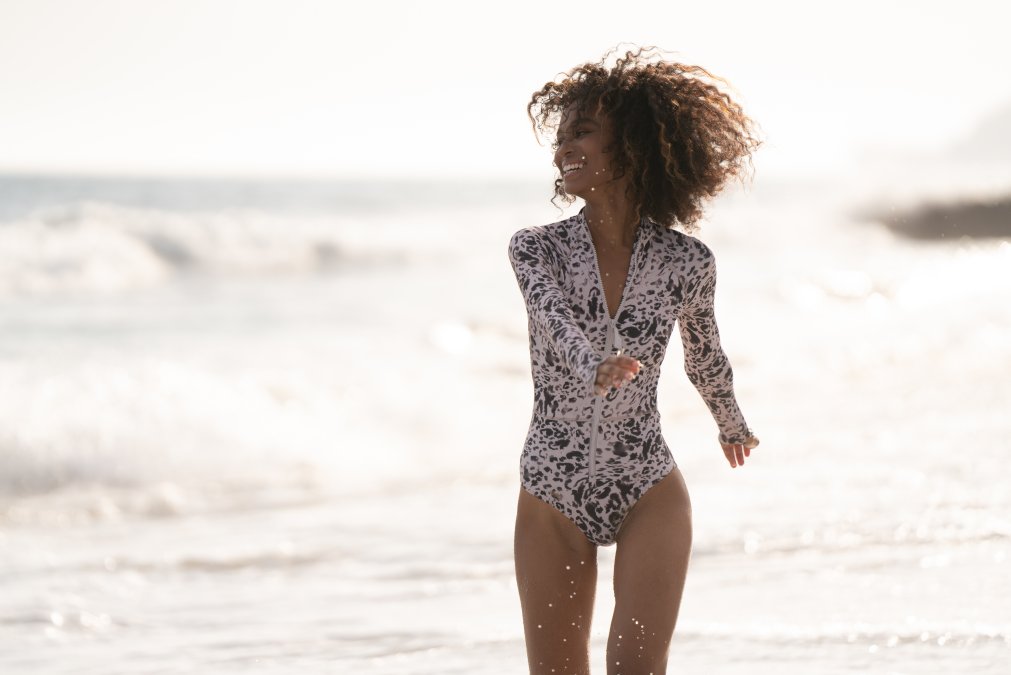
Scalp protection matters more than most hikers realize. Part lines and thinning hair leave skin exposed, and that skin burns quickly.
Look for a hat that offers:
- A wide brim all the way around, not just a front bill
- A chin strap so desert wind does not steal it
- Breathable fabric with venting to release heat
- UPF 50 rating on the label
- A snug but not tight fit that stays put on climbs
A cap protects the front of your face but leaves your neck and ears open. For desert hiking gear, a full-brim hat is worth the extra coverage.
Sun Protective Hat - UPF 50 (Black) →
Our UPF 50 sun protective hat is built for water and land alike, with a wide brim that shades your face and scalp.

Neck Coverage, Sunglasses, and the Details That Finish the Kit
The small pieces complete your defense. Neck coverage, eye protection, and a few smart extras close the gaps that shirts and hats leave open.
A neck gaiter or scarf covers the back of your neck and upper chest, spots that burn even under a hat brim.
Polarized sunglasses protect your eyes from UV and cut glare off bright sand and rock. Eye protection is not optional in the desert.
Finish the kit with these details:
- Neck gaiter in breathable, quick-drying fabric
- Polarized sunglasses with full UV blocking
- Sun gloves for the backs of your hands
- A lightweight buff for wind and dust
- Sunscreen for any exposed skin, reapplied through the day
A mineral sunscreen with zinc oxide is a solid choice for the face and hands. Our SPF 30 daily sunscreen blends into all skin tones.

How to Stay Cool in the Desert While Hiking in Full Coverage
Full coverage sounds like a recipe for overheating. Done right, it keeps you cooler than bare skin under direct sun.
Here is how fabric and design choices affect heat management on a desert trail:
- Airflow vs. coverage: A tight weave blocks more UV but can reduce airflow. Look for tight-weave fabrics with mechanical stretch or mesh venting under the arms and down the back. Mesh panels dump heat fast but may reduce UPF in those zones, check that the mesh itself is rated or placed where coverage is less critical.
- Moisture management vs. drying time: Synthetics like polyester and nylon move sweat away from skin and dry quickly, which helps in desert heat. Cotton feels cool when dry but holds water and dries slowly, which works against you on a long day. Merino wool manages moisture well but dries slower than synthetics and can feel warm in full sun.
- Weave vs. weight: A lightweight, tight-weave fabric can block more UV than a heavier, loose-weave fabric while feeling cooler. Hold fabric up to the light, less glow means better UV blocking. Heavier fabric may last longer against abrasion but traps more heat.
- Color vs. heat absorption: Light colors reflect more heat; dark colors absorb it. A light-colored, tight-weave shirt is usually cooler than a dark shirt of the same weight, though the UPF rating still determines protection.
- Design features vs. heat: Ventilation zippers, pit zips, and back vents help, but every opening is a potential UV gap. Choose vents that can be closed or that sit under overlapping fabric. A hood adds neck and ear coverage but can trap heat, look for hoods with mesh or a loose cut that lets air escape.
Here is how to stay cool in the desert while hiking in full coverage:
- Start early. Hike at dawn and rest during peak heat.
- Choose loose, light-colored, breathable layers with tight-weave fabric and rated mesh vents.
- Open ventilation at climbs, close it on exposed ridges where wind and sun both hit.
- Drink before you are thirsty. Carry more water than you think you need.
- Add electrolytes. Sweat strips salt; replace it.
- Wet your hat or neck gaiter at water sources to cool down.
- Take shade breaks and slow your pace in the worst heat.
Heat exposure is the real danger, not the fabric. A sun shirt that breathes protects you and helps regulate temperature. A cheap, heavy shirt traps heat and makes things worse.
Watch out: skipping hydration because you feel fine early in the day is a classic desert mistake. Thirst lags behind need. Sip steadily and watch your water capacity.
Fit, Durability, and Care: What Most Buyers Skip
A great rating on day one means nothing if the gear fails by midsummer. Fit, durability, and care decide whether your protection lasts.
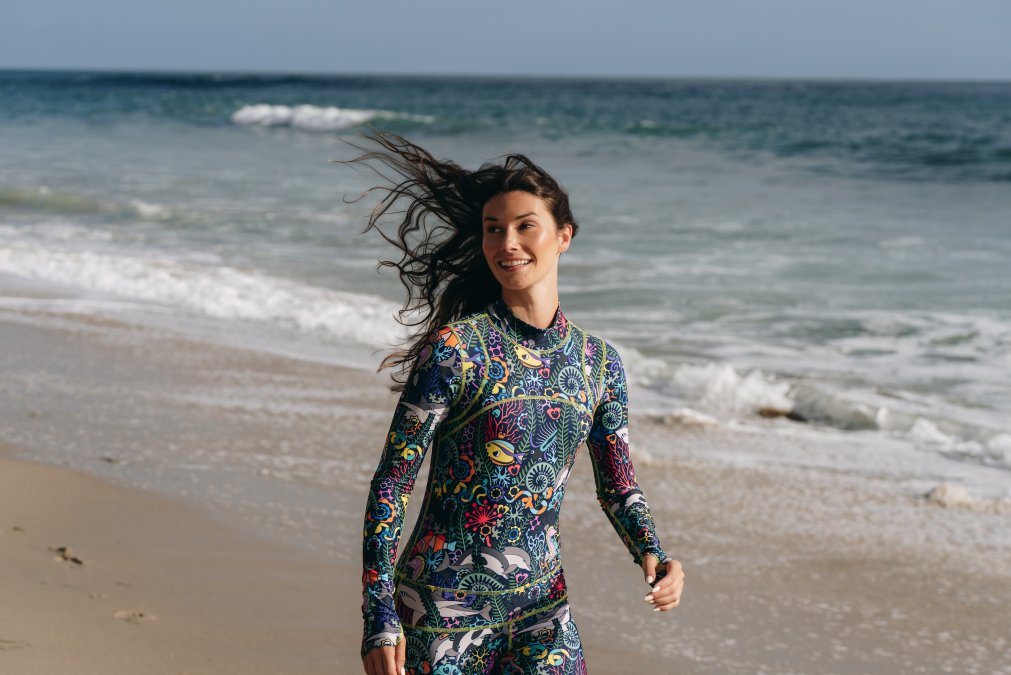
Fit affects protection. Fabric stretched tight over shoulders or knees thins out and lets more UV through. Loose-fitting clothing keeps the weave intact and the air moving. Check that you can move freely without the fabric pulling taut.
Durability is where cheap gear shows its limits. Repeated washing, sun, and sweat wear down fabrics and can reduce UPF over time. Learn how long UPF protection lasts before you rely on an older piece.
Care keeps protection alive:
- Wash gently and skip harsh bleach or fabric softener
- Air dry when you can to protect the fabric
- Check for thinning at high-stretch spots
- Retire worn pieces rather than trusting a faded tag
- Store dry to avoid mildew and breakdown
Build Your Desert Hiking Sun Kit With TUTUBLUE
A complete desert hiking gear kit comes down to a few non-negotiables: UPF 50 fabric, full skin coverage, a wide-brim hat, neck and eye protection, and smart heat management. If you want more options to round out your setup, browse our best sun protective clothing for travel.
At TUTUBLUE, sun protection is personal. Founder Sarah Buxton built the brand after a melanoma scare, and every piece is designed to block harmful rays while keeping a stylish look.
Frequently Asked Questions
What UPF rating should desert hiking gear have?
Look for UPF 50 or higher, which is the top rating a fabric can carry and blocks about 98% of UV radiation. Lower ratings still help, but desert sun is intense and reflected off sand and rock, so the highest rating gives the most margin. Check the label for a UPF number rather than assuming a fabric is protective, and remember that stretch, wear, and repeated washing can reduce performance over time.
Are long sleeves better than short sleeves for hiking in the sun?
Long sleeves usually win in the desert. They cover more skin, which means less sunscreen to reapply and fewer missed spots, and lightweight UPF fabric actually shades you from direct sun. The key is picking a loose fit and a breathable, quick-drying fabric so you do not overheat. A sun shirt with ventilation panels or a zipper gives you coverage without trapping heat on the climb.
Do sun-protective clothes still work when they get wet?
Many UPF fabrics keep most of their protection when wet, but not all do, and a soaked shirt can cling and feel hotter. Quick-drying fabric matters here: it sheds sweat and splash water fast so the garment stays comfortable and keeps its shape. If you will be near water or sweating heavily, choose a fabric described as quick-drying and test how it feels on a short hike before a long one.
How can I stay cool in the desert while hiking in full coverage?
Pick loose-fitting, light-colored, breathable UPF clothing with mesh panels or ventilation zippers, wear a wide-brim hat, and carry enough water with electrolytes. Hike early, take shade breaks, and wet your hat or a neck gaiter to help with moisture management. Coverage and cooling are not opposites: the right fabric and fit let air move while the sun stays off your skin.
The desert rewards hikers who plan their protection before the sun turns brutal. Build your kit around UPF 50 coverage, breathable layers, and a hat that shades what shirts cannot. TUTUBLUE makes full-coverage UPF 50+ sun wear with Ultra Light Neoprene Scuba Fabric and CHLORATEK technology to block 97% of UVA and UVB rays, so you can hike bright trails with confidence. Get started with TUTUBLUE and cover up for the sun without giving up style.


Leave a comment