




How to Choose Stylish Sun Protective Swimwear

Table of Contents
- Start With UPF 50+ Swimwear, Not SPF
- A Step-by-Step Framework for Choosing Your Suit
- Stylish Rash Guards for Women Who Want Coverage Without Bulk
- Full Coverage Swimsuits That Still Look Flattering
- The Best Long Sleeve Swimsuits 2026 Buyers Should Look For
- Fabric, Fit, and Care: What Makes Sun Protective Swimwear Last
- What UPF Swimwear Can't Do: Pair It With Shade and Timing
- Conclusion: Build Your Sun-Safe Swim Wardrobe
- Frequently Asked Questions
Last Updated: October 5, 2026
Start With UPF 50+ Swimwear, Not SPF
Learning how to choose stylish sun protective swimwear starts with one shift: stop thinking about lotion and start thinking about fabric. UPF 50+ swimwear blocks UV rays before they reach your skin, and it never washes off in the water. At TUTUBLUE, we built our whole collection around that idea after our founder's melanoma scare.

Here's the core difference. Sunscreen is a coating you reapply all day. Sun-protective fabric is a shield you wear.
What UPF Ratings Actually Mean on a Label
UPF, or Ultraviolet Protection Factor, is a rating that measures how much UV radiation passes through a fabric to your skin. A UPF 50+ label means the fabric blocks at least 98% of UVA and UVB rays.
The "50+" matters. It's the highest rating a fabric can earn. According to the Skin Cancer Foundation's sun protection guidance, fabrics rated UPF 50+ offer the maximum level of protection available in clothing.
Not all coverage is equal, though. A white cotton t-shirt sits around UPF 5 to 10. That's a big gap from 50+.
Why Fabric Beats Reapplying Lotion All Day
Sunscreen wears off. It washes off. Most people apply far less than the label recommends, and they miss spots like the shoulders and décolleté.
Fabric has no such gaps. A long-sleeve top with a high neck covers you the moment you put it on. No timer, no reapplication, no greasy hands.
For anyone with a family history of skin cancer, that reliability is the whole point.
A Step-by-Step Framework for Choosing Your Suit
Use this five-step framework to pick the right suit for your body and your plans.

- Check the UPF rating first. Look for UPF 50+ on the tag. Skip anything unrated.
- Map your coverage needs. Note the spots that burn most: shoulders, chest, back, and décolleté.
- Match the style to your activity. Swimming and surfing need a snug fit. Beach lounging allows more relaxed cuts.
- Test the stretch and feel. The fabric should move with you and dry fast.
- Confirm care instructions. Proper washing keeps the UPF rating intact for years.
That last step gets skipped constantly. It shouldn't.
Stylish Rash Guards for Women Who Want Coverage Without Bulk
A good rash guard solves the biggest complaint about sun protection: bulk. Modern swim tops use light fabric that fits close without feeling tight or heavy.
Look for these features in a stylish rash guard:
- Long sleeves that reach the wrist
- A high neck or mock collar
- Flatlock seams that won't rub
- Quick-drying, breathable fabric
- A cut that works with swim skirts or leggings
The fit should be snug but not restrictive. If it bunches or rides up, size down or try a different cut.
Full Coverage Swimsuits That Still Look Flattering
Full coverage swimsuits can look every bit as flattering as a bikini. The trick is a simplified silhouette and a fit that follows your shape instead of hiding it.
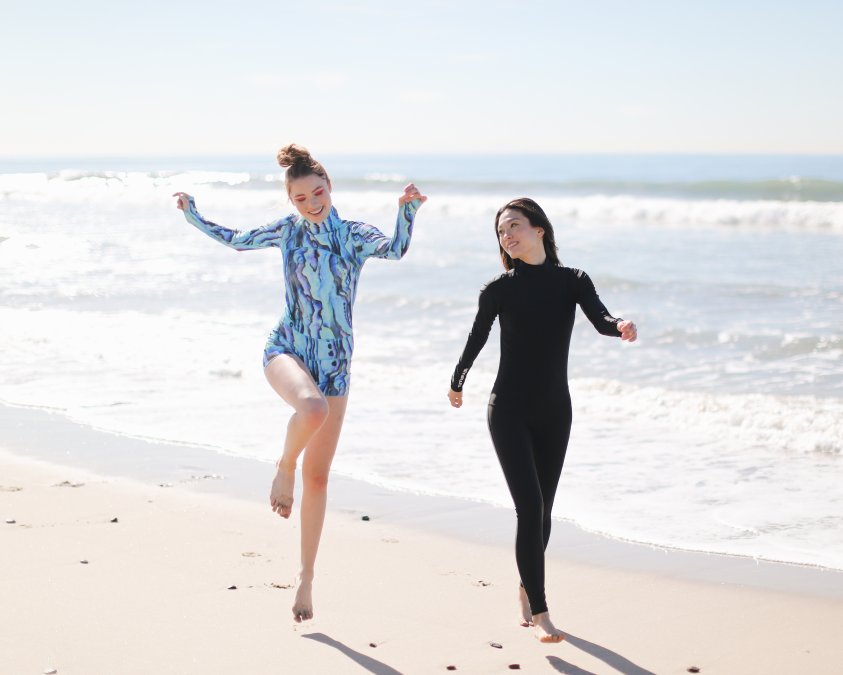
Our Women's Textured One Piece Front Zip UPF 50+ Long Sleeve Surf Suit - Sunflower(https://www.tutublue.com/products/womens-textured-front-zip-upf-50-long-sleeve-surf-suit-sunflower) shows how this works. It pairs a higher-cut leg with a front zip and moderate coverage, so you get protection without a boxy shape.
Shoulder, Chest, and Décolleté Protection
These three zones burn more than any others. Shoulders face the sun directly. The chest and décolleté catch reflected light off sand and water.
A long-sleeve top with a high neck covers all three at once. That's why we design our suits with full shoulder and chest coverage built in.
Women's Textured One Piece Front Zip UPF 50+ Long Sleeve Surf Suit - Sunflower →
The Best Long Sleeve Swimsuits 2026 Buyers Should Look For
The best long sleeve swimsuits in 2026 combine full coverage with fabrics that hold up. Look for recycled, textured material and chlorine-resistant technology.
Here's what separates a suit that lasts from one that fades by August:
| Feature | What to Look For | Why It Matters |
|---|---|---|
| UPF rating | UPF 50+ | Blocks 98% of UV rays |
| Sleeve length | Full long sleeve | Covers shoulders and arms |
| Fabric | Recycled, textured, stretch | Comfort plus durability |
| Chlorine resistance | Treated fabric | Keeps color and shape |
| Fit | Snug, non-clingy | Stays put in the water |
Our front zip surf suits, like the Aloha print(https://www.tutublue.com/products/womens-textured-front-zip-upf-50-long-sleeve-surf-suit-aloha), check every box on that list.
Fabric, Fit, and Care: What Makes Sun Protective Swimwear Last
A suit only protects you as long as its fabric holds up. Stretched, faded, or worn fabric loses UV-blocking power over time.
Our suits use Ultra Light Neoprene Scuba Fabric and CHLORATEK technology to block 97% of UVA and UVB rays. That protection holds through chlorine and salt water when you care for the suit properly.
Care rules that keep UPF intact:
- Rinse in cold water after every wear
- Skip the dryer and lay flat to dry
- Avoid harsh detergents and fabric softener
- Don't wring or stretch the fabric
- Store dry, away from direct sun
Sizing and Fit for Different Body Shapes
Fit changes everything. A suit that's too loose rides up in the water. One that's too tight stretches the fabric and can reduce protection.
Measure your bust, waist, and hips before ordering. Check the size chart, and size up if you're between sizes. A snug fit should feel supportive, not squeezing.
What UPF Swimwear Can't Do: Pair It With Shade and Timing
UPF 50+ fabric is powerful, but it isn't a force field. It protects the skin it covers. Your face, hands, and feet still need attention.
Pair your suit with these habits:
- Seek shade between 10 a.m. and 4 p.m.
- Wear a wide-brim hat and sunglasses
- Apply sunscreen to exposed skin
- Reapply sunscreen every two hours
- Avoid tanning beds entirely
The CDC's guidance on sun safety recommends these steps alongside protective clothing. Fabric plus smart timing beats either one alone.
Conclusion: Build Your Sun-Safe Swim Wardrobe
Choosing the right suit takes a little planning, but it pays off every time you step outside. Start with UPF 50+, map your coverage needs, and pick a fit that moves with you.
TUTUBLUE makes that easy with full-coverage suits built for real sun exposure. Our UPF 50+ designs block 97% of harmful UVA and UVB rays, use recycled textured fabric, and come in prints you'll actually want to wear. Get started with TUTUBLUE and enjoy the sun with confidence.
Frequently Asked Questions
What should I look for when choosing UPF swimwear?
Check the UPF rating first. UPF 50+ blocks about 98% of UV rays and is the highest rating available. Look for long sleeves, a high neckline, and coverage across shoulders and chest. Fabric matters too: dense, stretchy materials like Lycra or spandex blends hold their protection better than thin cotton. TUTUBLUE's suits use Ultra Light Neoprene Scuba Fabric with CHLORATEK technology to block 97% of UVA and UVB rays, and they are designed for swimming, surfing, and beach days.
Does UPF 50+ swimwear protect against UVA and UVB rays?
Yes, when the rating is accurate. UPF 50+ fabric blocks both UVA and UVB radiation. UVA rays penetrate deeper and cause aging, while UVB rays cause sunburn. A UPF 50+ rating means only 1/50th of UV radiation passes through the fabric. However, protection drops if the fabric stretches thin, gets wet and stays wet for long periods, or wears out. Replacing suits when the fabric loses elasticity keeps protection reliable.
Do I need to reapply sunscreen when wearing UPF swimwear?
You still need sunscreen on exposed areas. UPF fabric only protects where it covers. Your face, hands, feet, and any skin outside the suit's coverage need broad-spectrum sunscreen. Reapply every two hours, or more often after swimming or sweating. Pairing UPF swimwear with sunscreen on exposed skin and shade during peak hours gives you the most complete protection against sunburn and long-term UV damage.
How should UPF swimwear fit?
It should fit snug but not restrictive. A snug fit keeps fabric in place during swimming and water sports, and it prevents gaps where UV rays sneak through. If the suit bunches or rides up, it will not protect consistently. Look for four-way stretch so the fabric moves with you. TUTUBLUE's textured one-piece surf suits offer a streamlined fit with moderate coverage and a higher-cut leg, designed to stay put during active movement.


Leave a comment