




Chemical Free Sun Protection for Kids: What Works

Table of Contents
- What Chemical Free Sun Protection for Kids Really Means
- Mineral Sunscreen for Kids: What to Look For
- UPF Clothing for Kids: The Simplest Chemical Free Layer
- UPF 50+ Swimwear for Children: What Sets the Best Apart
- How Often to Reapply Sunscreen on Kids
- Common Mistakes Parents Make With Chemical Free Sun Protection for Kids
- Frequently Asked Questions
Last Updated: October 7, 2026
What Chemical Free Sun Protection for Kids Really Means
Chemical free sun protection for kids means blocking the sun without the ingredients that soak into young skin. Instead of lotions that absorb UV rays, you rely on mineral blockers and tightly woven fabric.
That difference matters more than most parents realize. At TUTUBLUE, we built our whole brand around it after our founder, Sarah Buxton, faced a melanoma scare. She wanted gear that protects kids without asking parents to trust a long ingredient list. Prioritizing physical barriers over chemical alternatives remains the most effective way to minimize exposure while you explore the broader landscape of non-toxic family skincare.
The American Academy of Dermatology's sun protection guidance points families toward shade, clothing, and mineral sunscreen as the safest combination for children.
So what actually counts as chemical free? Two things: mineral sunscreen and UPF clothing. Everything below explains how to use both well.
Why Parents Are Moving Away From Chemical Sunscreens
The shift is simple. Chemical sunscreens work by absorbing into the skin, then converting UV rays into heat. Mineral sunscreens sit on top and bounce rays away.
Many parents worry about what absorbs into a small body. Kids have thinner skin and spend more time outside. That combo makes absorption a fair concern.
Mineral options skip the ingredients parents question most. They use zinc oxide or titanium dioxide instead.
The Two Paths to Chemical Free Protection: Mineral and Fabric
You have two tools, and they work best together.
- Mineral sunscreen: rubs on the exposed spots you can't cover
- UPF clothing: covers large areas so you use less sunscreen
Fabric does the heavy lifting. A long-sleeve rash guard covers the arms, chest, and back all day without one reapplication.

Sunscreen handles the gaps: faces, ears, necks, hands, and feet.
Mineral Sunscreen for Kids: What to Look For
Mineral sunscreen for kids should list zinc oxide or titanium dioxide as the active ingredient. Those two minerals block UV rays by sitting on the skin's surface.
Here's what to check on the label:
- Active ingredient: zinc oxide or titanium dioxide only
- Broad spectrum: blocks both UVA and UVB rays
- SPF 30 or higher: the FDA's sunscreen rules set the standard for testing and labeling
- Fragrance-free: fewer irritants for sensitive skin
- Reef-friendly: skips ingredients that harm ocean life
A common mistake is buying a "natural" lotion that still lists chemical filters. Natural on the front label does not mean mineral inside. Flip the bottle and read the active ingredients.
Thick white mineral creams can feel heavy. That is normal. The white cast fades as you rub it in.
UPF Clothing for Kids: The Simplest Chemical Free Layer
UPF clothing for kids is fabric that blocks UV rays by design, not by lotion. It never needs reapplying, never washes off in the water, and never misses a spot.
This is where fabric beats sunscreen every time. Kids swim, splash, and roll in the sand. A lotion layer disappears. A shirt stays put.
TUTUBLUE's Girl's Pullover Rash Guard in Kelly Green covers the full arms, chest, and back in lightweight fabric. It pairs with leggings for head-to-toe coverage. At $50, it does a job no bottle can match.
What the UPF Number Actually Tells You
The UPF number tells you how much UV radiation the fabric blocks. UPF 50+ blocks over 98% of UV rays.
That is the highest rating clothing can earn. Higher numbers do not exist on the scale.
Girl's Pullover Rash Guard - Kelly Green →
Here is the quick version:
| Rating | UV Blocked | Protection Level |
|---|---|---|
| UPF 15-24 | About 93-96% | Good |
| UPF 25-39 | About 96-97% | Very good |
| UPF 40-50+ | About 97-98% | Excellent |
Look for UPF 50+ and move on. Anything lower leaves more rays through.
UPF 50+ Swimwear for Children: What Sets the Best Apart
UPF 50+ swimwear for children earns its rating through fabric quality, coverage, and how well it holds up in chlorinated or salt water. The best suits keep their protection after many washes.
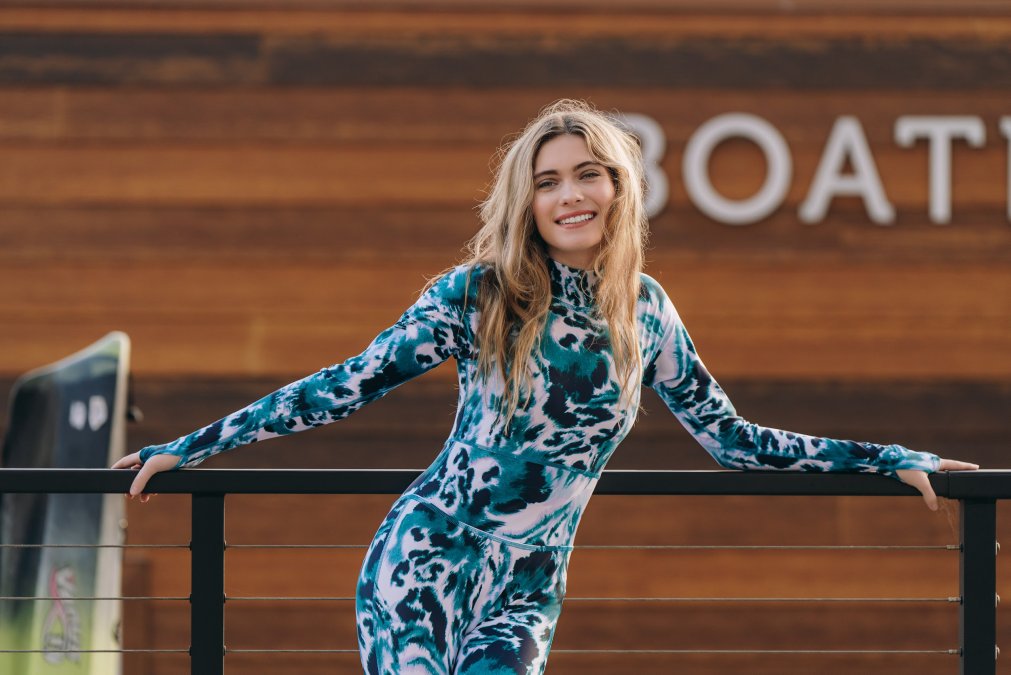
Cheap suits fade and stretch. When fabric thins, its UPF rating drops with it. That is the trap most parents fall into.
TUTUBLUE's Girl's Long UPF 50+ Sun-Protective Swimsuit in Droplets solves that. It covers neck to ankle, zips up the back, and dries fast. The fabric resists chlorine and salt water, and the UPF rating does not wash out. It runs $95.

What most guides miss is coverage shape. A suit that rides up or gaps at the neck leaves skin exposed. Full-body design removes that problem.
How Often to Reapply Sunscreen on Kids
Reapply sunscreen on kids every two hours, and sooner after swimming, sweating, or toweling off. Even water-resistant formulas lose protection in the water.
The clock starts when your child goes outside, not when you first apply.
- Every 2 hours: standard reapply window
- After 40-80 minutes in water: reapply right away
- After heavy sweating: reapply
- After drying with a towel: reapply
Mineral sunscreen is harder to rub in, so parents often skip spots. Use more than you think you need.
Cover the ears, neck, tops of feet, and hands. These burn fast and get missed most.
Common Mistakes Parents Make With Chemical Free Sun Protection for Kids
The biggest mistake is trusting one method. Chemical free sun protection for kids works best as a system, not a single product.
Watch for these:
- Relying on sunscreen alone: missed spots burn first
- Skipping reapplication: two hours passes faster than you think
- Buying "natural" chemical sunscreens: check the active ingredients
- Ignoring midday sun: UV peaks between 10 a.m. and 4 p.m (the EPA).
- Forgetting the baby: infants under 6 months need shade and cover, not lotion
For babies, TUTUBLUE's Baby Beach Towel with Hoodie in Baby Blue wraps them in UPF 50+ fabric with a soft terry lining. It keeps a newborn covered and cozy at $50. The Baby Stroller and Nursing Cover in Baby Poppies adds shade on the go for $35.

One more thing: pass on hand-me-down UPF suits that look thin or stretched. Worn fabric loses its protection, and you cannot see a dropped rating.
Frequently Asked Questions
Is there really such a thing as chemical-free sunscreen?
No sunscreen is truly chemical-free because every formula uses ingredients that interact with your skin. What parents usually mean is mineral sunscreen, which relies on zinc oxide or titanium dioxide instead of chemical filters like oxybenzone and avobenzone. These mineral ingredients sit on top of the skin and deflect UV rays rather than absorbing them. If you want zero sunscreen ingredients on your child's skin, UPF clothing for kids is the better answer.
Is mineral sunscreen better for children than chemical sunscreen?
Mineral sunscreen is often preferred for kids because zinc oxide and titanium dioxide are generally recognized as safe by the FDA and are less likely to cause irritation on sensitive skin. They also start working as soon as you apply them, unlike chemical filters that need about 15 to 20 minutes to absorb. The trade-off is that mineral formulas can leave a white cast and are harder to rub in, so many parents pair them with UPF clothing for full coverage.
How often should you reapply sunscreen on kids?
Reapply mineral sunscreen on kids every two hours, and sooner if they are swimming, sweating heavily, or toweling off. Even water-resistant formulas lose effectiveness after about 40 to 80 minutes in the water. If your child wears UPF 50+ swimwear for children, the covered areas do not need reapplication because the protection is built into the fabric and does not wash out.
What UPF rating is best for kids' sun-protective clothing?
UPF 50+ is the highest rating available and blocks at least 98% of UV rays. For kids who spend hours outdoors, especially near water or at high altitude, UPF 50+ is the safest choice. Look for full-coverage pieces that shield the neck, arms, and legs, since those areas burn easily and are hard to keep sunscreen on during active play.
Sun protection for kids takes planning, and the stakes are real for families with a skin cancer history. TUTUBLUE makes that planning easier with UPF 50+ swimwear that blocks 97% of UVA and UVB rays, full-coverage designs that stay in place, and durable fabric that holds its rating wash after wash. Get started with TUTUBLUE and give your kids full-coverage protection they can swim, splash, and play in all day.


Leave a comment