




Are Breathable Long Sleeve Sun Shirts Worth It in Hot Weather?

Last Updated: November 21, 2026
Quick Summary
Breathable sun shirts are worth it in hot weather because they block UV rays with UPF 50+ fabric that does not sweat off like sunscreen, while ventilation panels, mesh underarms, and a relaxed fit let heat and moisture escape. Look for a mid-weight knit around 120-160 GSM with moisture-wicking, quick-dry performance.
- UPF 50+ fabric allows only about 1/50th of the sun's UV radiation through.
- A mid-weight performance knit in the 120-160 GSM range balances coverage and airflow.
- In humid heat, quick-dry fabric matters more than anything because sweat cannot evaporate.
- Runners should pick lighter fabric, flat seams, and thumb holes to avoid chafing and overheating.
- Wash UPF garments in cold water, skip fabric softener and high heat, and hang to dry.
Table of Contents
- Why a Breathable Long Sleeve Sun Shirt Beats Sunscreen Alone
- What Makes a Breathable UPF 50+ Shirt Work in Heat
- How to Choose a Lightweight Sun Shirt for Hiking
- Picking a Long-Sleeve Sun Shirt for Running
- When You Need a UPF 50+ Long-Sleeve Shirt With Hood
- Keeping UPF Protection After Washing and Wear
- Choosing Your TUTUBLUE Sun Layer
- Frequently Asked Questions
Why a Breathable Long Sleeve Sun Shirt Beats Sunscreen Alone
Sunscreen can sweat off, wash off, and need frequent reapplication. Breathable sun shirts for hot weather solve that problem by putting a physical barrier between your skin and the sun, and they work from the moment you put them on.
At TUTUBLUE, our collection is built around this idea. Our founder, Sarah Buxton, started the brand after a melanoma scare.
Here is the core difference. Sunscreen is a chemical or mineral film that degrades with sweat, water, and time. Fabric does not degrade on your skin. It sits there, blocking UV rays, and the only maintenance it needs is a wash at the end of the day.
Many skin-cancer organizations recommend clothing as a key form of sun protection.
What UPF 50+ Actually Blocks
UPF, or Ultraviolet Protection Factor, is a rating that measures how much UV radiation can pass through a fabric to reach your skin. A UPF 50+ rating means the fabric blocks a large share of UVA and UVB rays, allowing only about 1/50th of the sun's UV radiation through (Sun Protective Clothing).
That is a meaningful number. The Skin Cancer Foundation's guidance on sun-protective clothing treats UPF-rated garments as a reliable, consistent form of protection, unlike sunscreen that can be applied unevenly or forgotten.
One thing most shoppers do not realize: UPF is a fabric rating, not a permanent guarantee. Stretching, wetness, and wear can all reduce protection over time. We will get into that later.
What Makes a Breathable UPF 50+ Shirt Work in Heat
A breathable UPF 50+ shirt works by combining a tight enough fabric construction to block UV rays with a weave, weight, and cut that let heat and moisture escape. The best options balance coverage and airflow so you stay cool and dry rather than trapped in a plastic bag.
That balance is the whole game. A heavy cotton tee blocks some sun but soaks through with sweat and stays wet. A paper-thin polyester tank breathes well but offers almost no protection. The sweet spot is a technical knit engineered for both.
Fabric Weight, Weave, and Airflow
Fabric weight is usually measured in grams per square meter (GSM), and lighter is not automatically better. Too light and you lose coverage and durability. Too heavy and you overheat. Look for a mid-weight performance knit, often in the 120-160 GSM range, that feels light against the skin but holds its structure.
Weave matters just as much. A tight knit blocks UV, but airflow depends on how the yarn is spun and how the garment is cut. Ventilation panels, mesh underarms, and a relaxed fit all move air across the body.
Watch out: A fabric can be labeled "lightweight" yet feel hot if the weave is too tight or the cut is slim, always check for ventilation features and a relaxed fit, not just the weight number.
Humid Heat vs. Dry Heat
Humid heat and dry heat stress a sun shirt in different ways. In dry heat, the priority is blocking direct sun and reflecting radiant heat. In humidity, the priority shifts to sweat evaporation, because the air is already saturated and your body cannot cool itself efficiently.
In humid conditions, a quick-drying fabric matters more than anything. If your shirt stays soaked, you stay hot and uncomfortable. Moisture-wicking fibers pull sweat away from the skin, and a fast dry time keeps the garment from becoming a wet compress.
For a deeper look at this trade-off, our guide on whether lightweight rash guards are worth it in tropical humidity walks through how sun layers behave when the air is thick and sweat does not evaporate quickly.
How to Choose a Lightweight Sun Shirt for Hiking
Choosing a lightweight sun shirt for hiking comes down to four variables: how much sun you will face, how hard you will sweat, whether you will be in shade, and how long you will be out. Match the shirt to the worst conditions on the route, not the average.
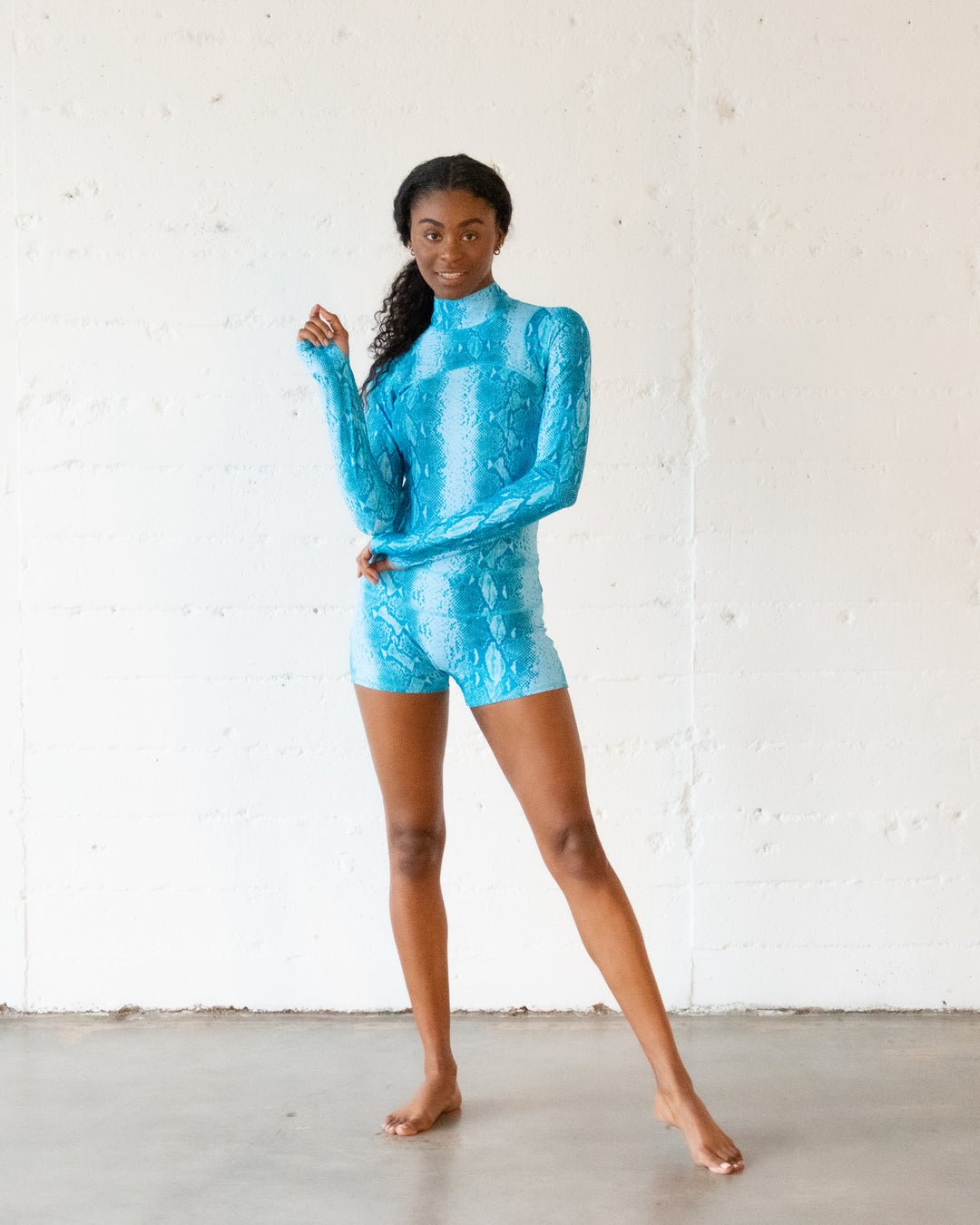
Hiking is where coverage pays off most. Trails often cross open areas with no shade for hours, and reapplying sunscreen on a sweaty face mid-climb is nobody's idea of fun. Breathable sun shirts for hiking keep your arms and shoulders covered while you move.
Use this simple decision framework:
| Condition | What to prioritize | Why it matters |
|---|---|---|
| Full sun, no shade, long day | Highest UPF, hood, thumb holes | Maximum skin coverage |
| High sweat, steep climb | Moisture-wicking, quick-dry | Keeps you cool and dry |
| Humid, still air | Lightweight weave, loose fit | Helps sweat evaporate |
| Mixed shade and sun | Mid-weight, versatile | Balances breathability and coverage |
| Multi-day trip | Durability, easy care | Holds up to washing and wear |
If you are planning serious desert or trail time, our breakdown of what to look for in sun protective gear for desert hiking goes deeper into coverage details and layering.
Picking a Long-Sleeve Sun Shirt for Running
A long-sleeve sun shirt for running needs to do one thing above all: move sweat off your skin fast. Running generates more body heat than hiking, so breathability and quick-dry performance matter more than maximum coverage.
Runners usually want a lighter fabric weight, a closer fit that does not flap, and flat seams that will not chafe over long distances. Thumb holes help cover the back of the hands, an area runners often forget. A quarter-zip or vented back adds airflow without exposing skin.
The mistake we see most often is runners choosing a heavy sun shirt built for the beach and then overheating on the first mile. Match the garment to the effort level. A running-specific piece will feel lighter and drier than a general-purpose sun layer.
When You Need a UPF 50+ Long-Sleeve Shirt With Hood
A UPF 50+ long-sleeve shirt with hood is worth it when your neck, ears, and head will be exposed for long stretches, especially on water, open pavement, or high-altitude trails. The hood covers the areas sunscreen wears off first.
Hoods are the most underrated feature in sun protection. The back of the neck and the tops of the ears are common skin-cancer sites precisely because people forget them. A hood removes that blind spot entirely.
We recommend a hooded shirt for:
- Long days on the water, where reflected UV hits from below and above
- Open fields, farms, and stables with no shade
- High-altitude hikes, where UV intensity climbs with elevation
- Anyone with a personal or family history of skin cancer who wants full coverage
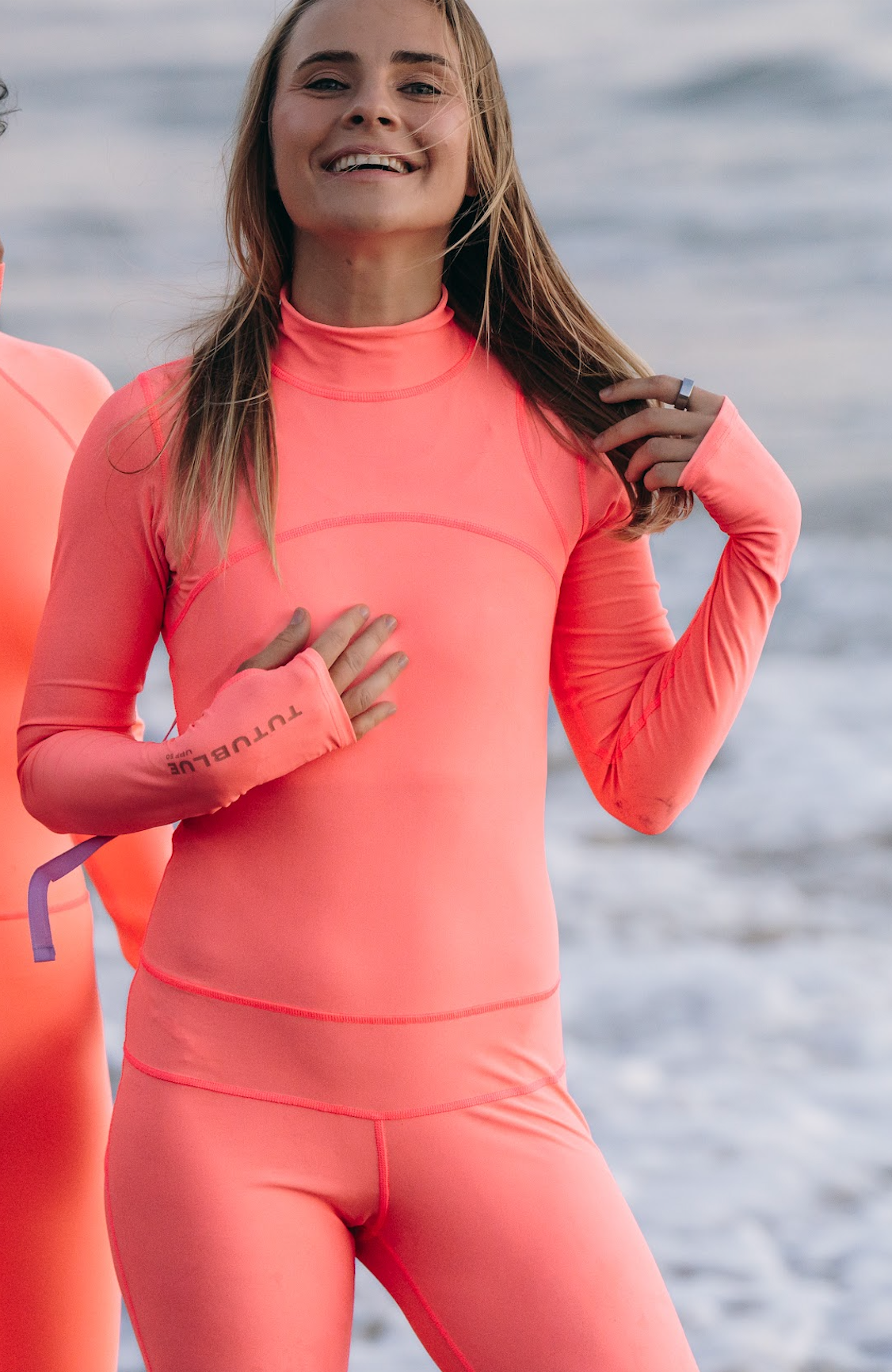
For water-based days, a full-coverage suit built with a high neck and long sleeves covers even more. Our Classic UPF 50+ full body long swimsuit uses lightweight, breathable UPF 50 fabric with a back zipper and thumb holes for added hand protection.
Keeping UPF Protection After Washing and Wear
UPF protection survives washing, but it does not survive everything. The rating holds up best with gentle care: cold water, mild detergent, and air drying. Heat, bleach, and heavy abrasion are what wear protection down over time.
Gentle washing helps the fabric keep its protection. What degrades protection is stretching the knit out of shape, shrinking it, or damaging the fibers. That is why care instructions matter more than most shoppers expect.
A few habits that protect your investment:
- Rinse after saltwater or chlorine exposure
- Hand wash cold with mild detergent
- Hang to dry away from direct sun
- Skip bleach, fabric softener, and high heat
- Avoid wringing or stretching the fabric
How to Interpret UPF Ratings and Maintain Protection
A UPF rating tells you how much UV radiation passes through the fabric. UPF 50+ blocks about 98% of UVA and UVB rays, but that protection is not permanent. Stretching, wetness, and wear can all reduce the effective UPF.
A practical method for checking protection after repeated washing: hold the fabric up to a bright light. If light passes through easily, the weave may have loosened. Well-cared-for UPF garments can keep their protection over time, but no fabric lasts forever.
Watch out: Fabric softener can coat fibers and reduce breathability, and high heat can shrink the knit, both can compromise the balance of coverage and airflow.
For a focused answer on laundering, read does UPF clothing lose protection after washing. If you want to extend the life of a favorite piece, our guide on how to maintain UPF fabric integrity covers fabric care in detail.
Choosing Your TUTUBLUE Sun Layer
Choosing your TUTUBLUE sun layer starts with matching the garment to your activity, then confirming the fit and coverage you want. The pieces featured here are built with UPF 50+ protection and CHLORATEK fabric technology.
Our collection covers a range of hot-weather use:
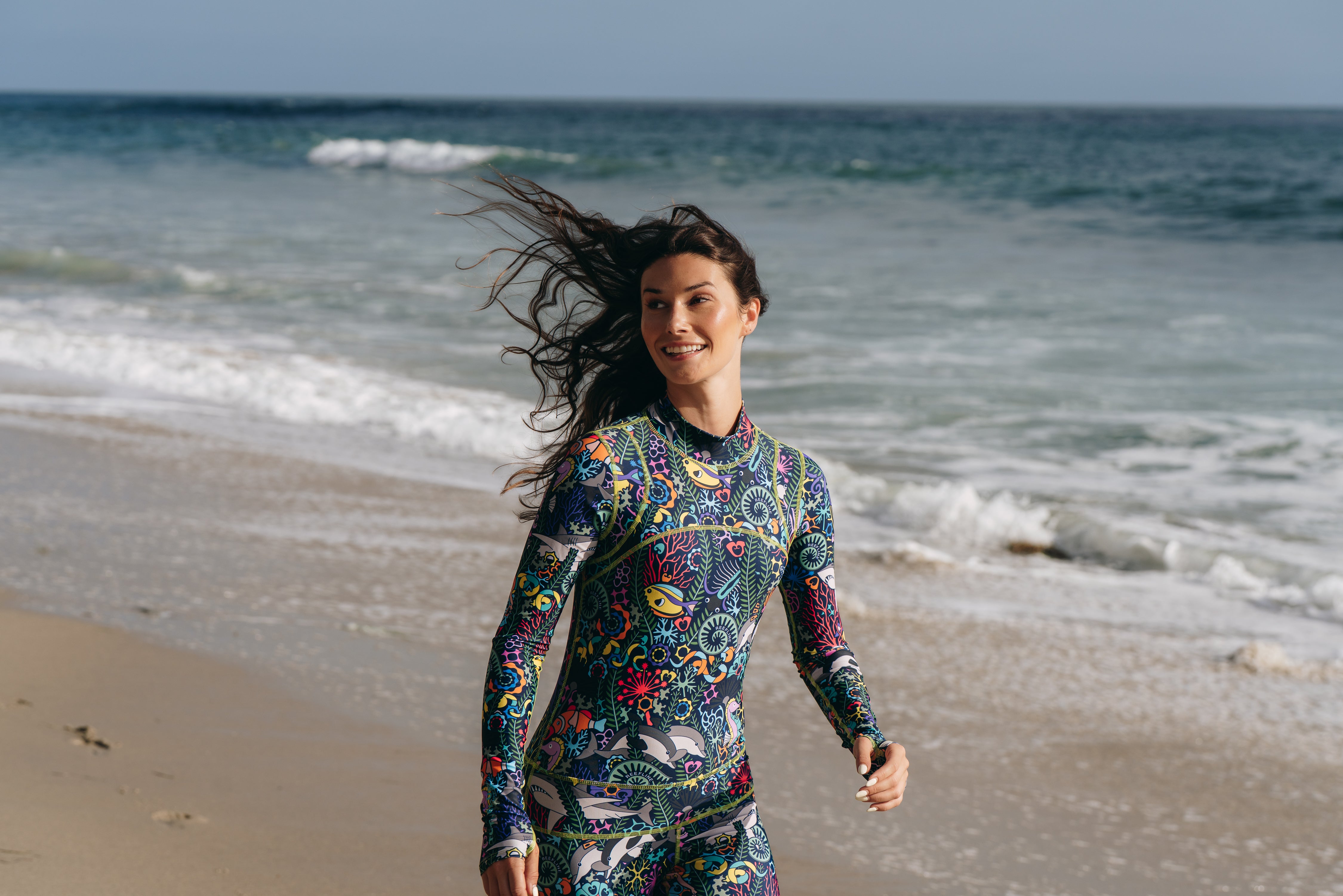
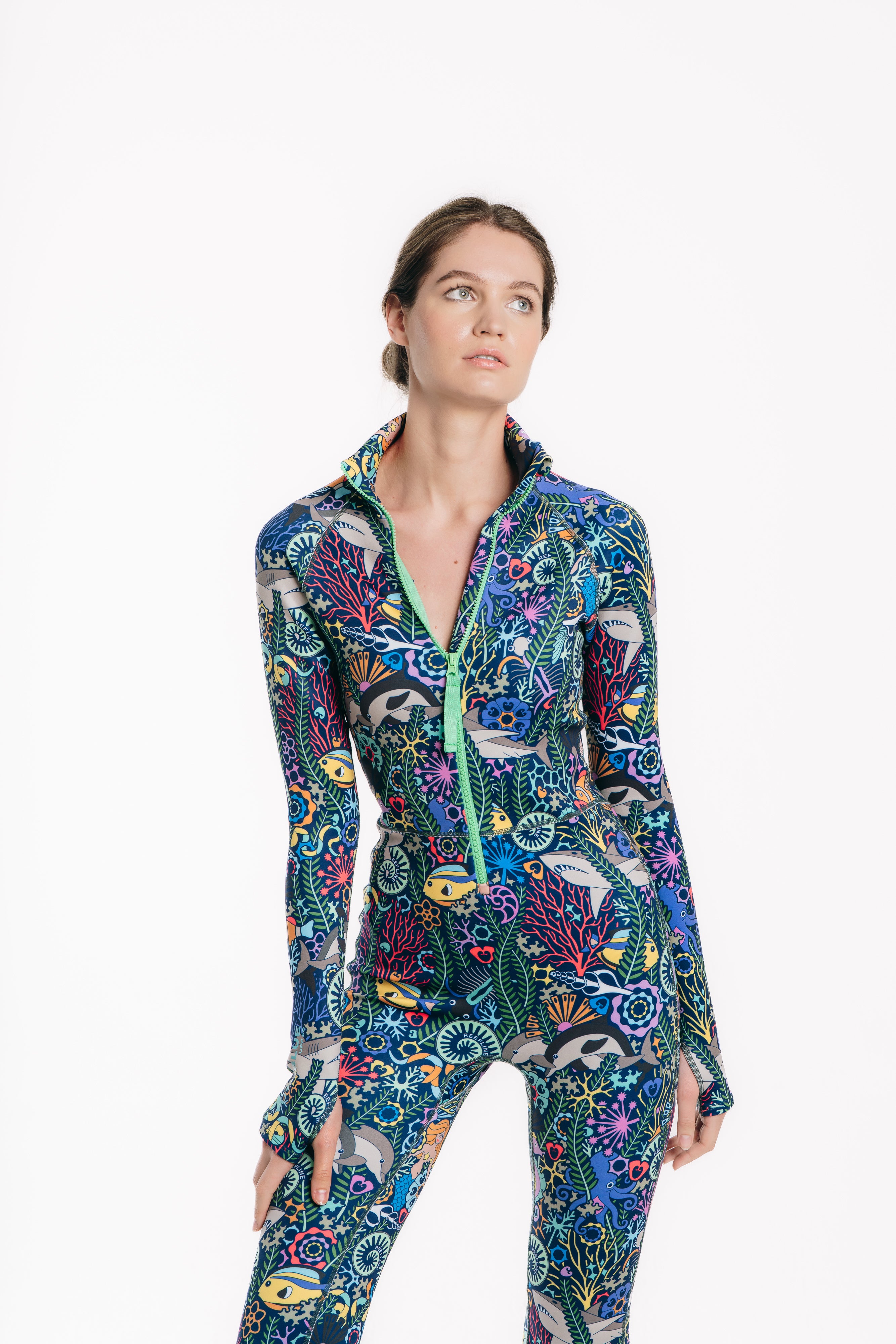
- Full-coverage swim and water days: The Classic full body long swimsuit and the Reefline Classic offer high-neck, long-sleeve coverage with quick-dry fabric.
- Easy on and off: The RORO front zip swimsuit adds a front zipper for easy on and off.
- Layering and active days: The Textured Fitted UPF 50+ Rash Guard is a cropped, long-sleeve piece made from soft recycled fabric for swimming, paddle boarding, and beach days.
If you are still narrowing down options, our roundup of the best sun protective clothing for travel puts the strongest picks side by side.
Best for: Anyone who wants reliable, full-coverage sun protection without giving up style. Skip if: You only need coverage for a short errand and prefer a basic tee.
The real challenge with sun protection is consistency. Sunscreen fades, gets forgotten, and leaves gaps.
TUTUBLUE makes that easier with UPF 50+ coverage and CHLORATEK fabric technology. Get started with TUTUBLUE and enjoy the sun with full coverage and confidence.
Frequently Asked Questions
Do long-sleeve UPF shirts keep you cool in hot weather?
They can, when the fabric is lightweight and breathable. A loose-fitting long-sleeve shirt blocks direct sun from your skin and lets air move across the fabric, so sweat can evaporate instead of sitting on bare skin. The key is fabric weight and weave: a heavy cotton tee traps heat, while a lightweight performance fabric with a tight weave blocks UV and still breathes. Pair breathable sun shirts with a looser fit and light colors for the best airflow on hot days.
What fabric is most breathable for a sun shirt?
Look for lightweight performance fabric blends made for sun protection, not heavy cotton. A breathable UPF 50+ shirt should be thin, quick-drying, and woven tightly enough to block UV without feeling stiff. TUTUBLUE uses CHLORATEK technology in its suits, which the brand says blocks 97% of UVA/UVB rays. Check that the label states a UPF rating and that the fabric feels soft and flexible, not rubbery.
Does a looser fit help a long-sleeve sun shirt feel cooler?
Yes, in most hot-weather situations. A looser fit lets air circulate between the fabric and your skin, which helps sweat evaporate and reduces that clammy feeling. It also keeps the fabric from clinging when you sweat. If you are between sizes or prefer a roomier fit, size up. TUTUBLUE notes its Classic 1001 runs true to size with moderate compression, and recommends sizing up for a roomier fit.
How do I keep UPF protection after washing a sun shirt?
Follow the care label and avoid anything that breaks down the fabric. For TUTUBLUE suits, rinse after use, hand wash cold with mild detergent, and hang to dry away from direct sun. Do not bleach, iron, or dry clean. Stretched-out, pilled, or worn-thin fabric can lose protection over time, so retire a shirt if the weave looks damaged. Treating the fabric gently is the simplest way to keep a UPF 50+ long-sleeve shirt with hood or any sun layer performing.


Leave a comment